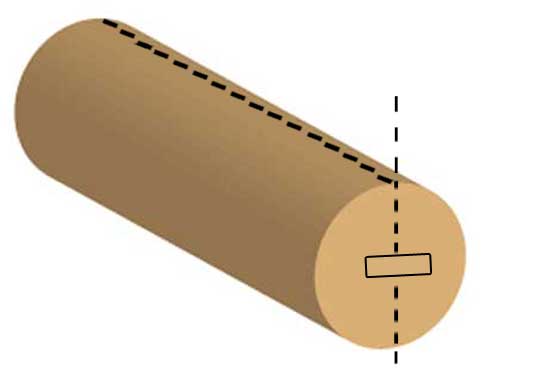
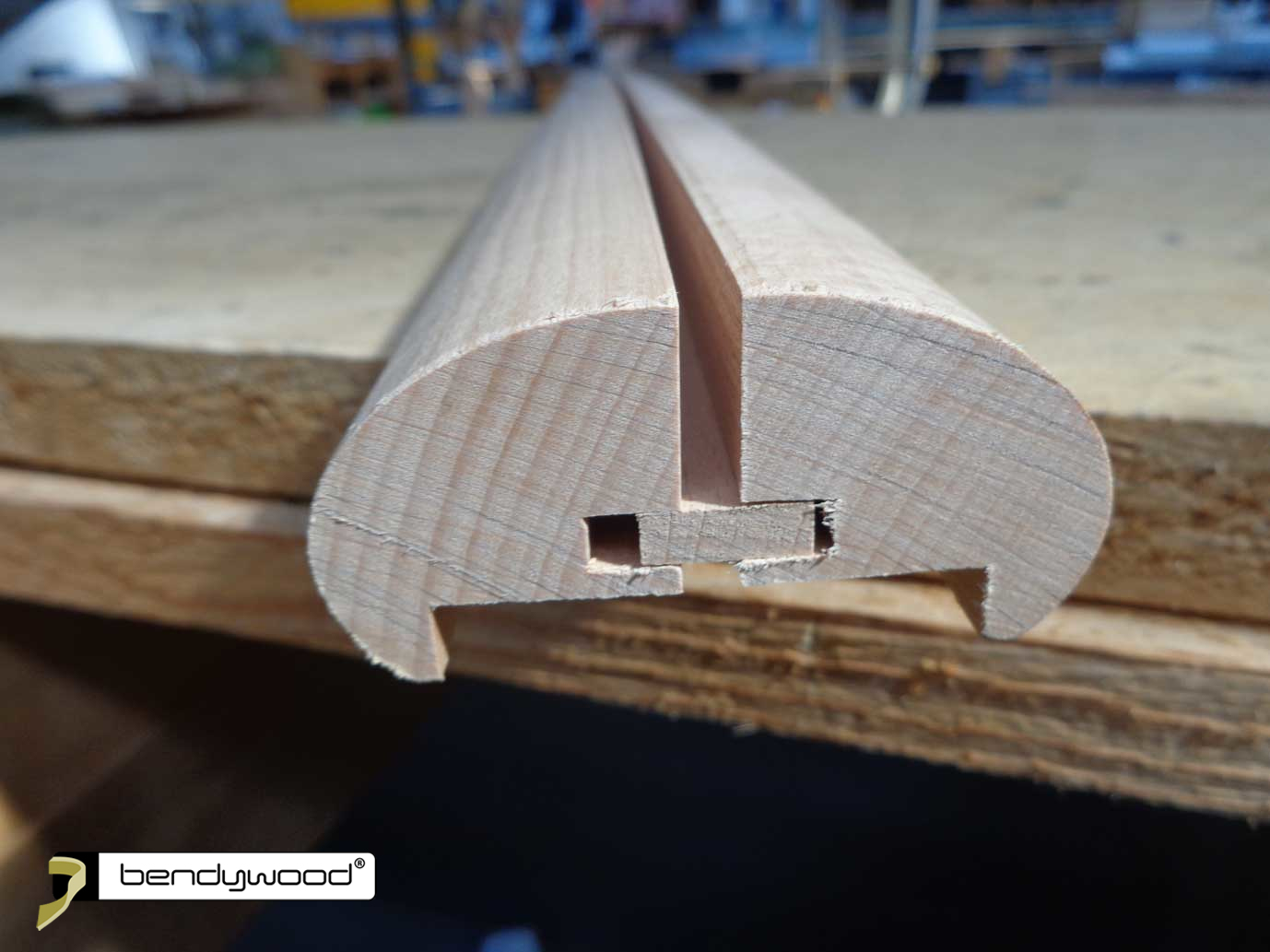
Bendywood® handrails (Ø 40 mm), split down the centre, can be bent up to R400 mm,
i.e. up to a ratio of 1:10. However, this only applies to flat bends, i.e. in 2D.
In 3D, the vertical split does not alter this, meaning that here, as before, bending is only
possible up to R800 mm, i.e. up to a ratio of 1:20.
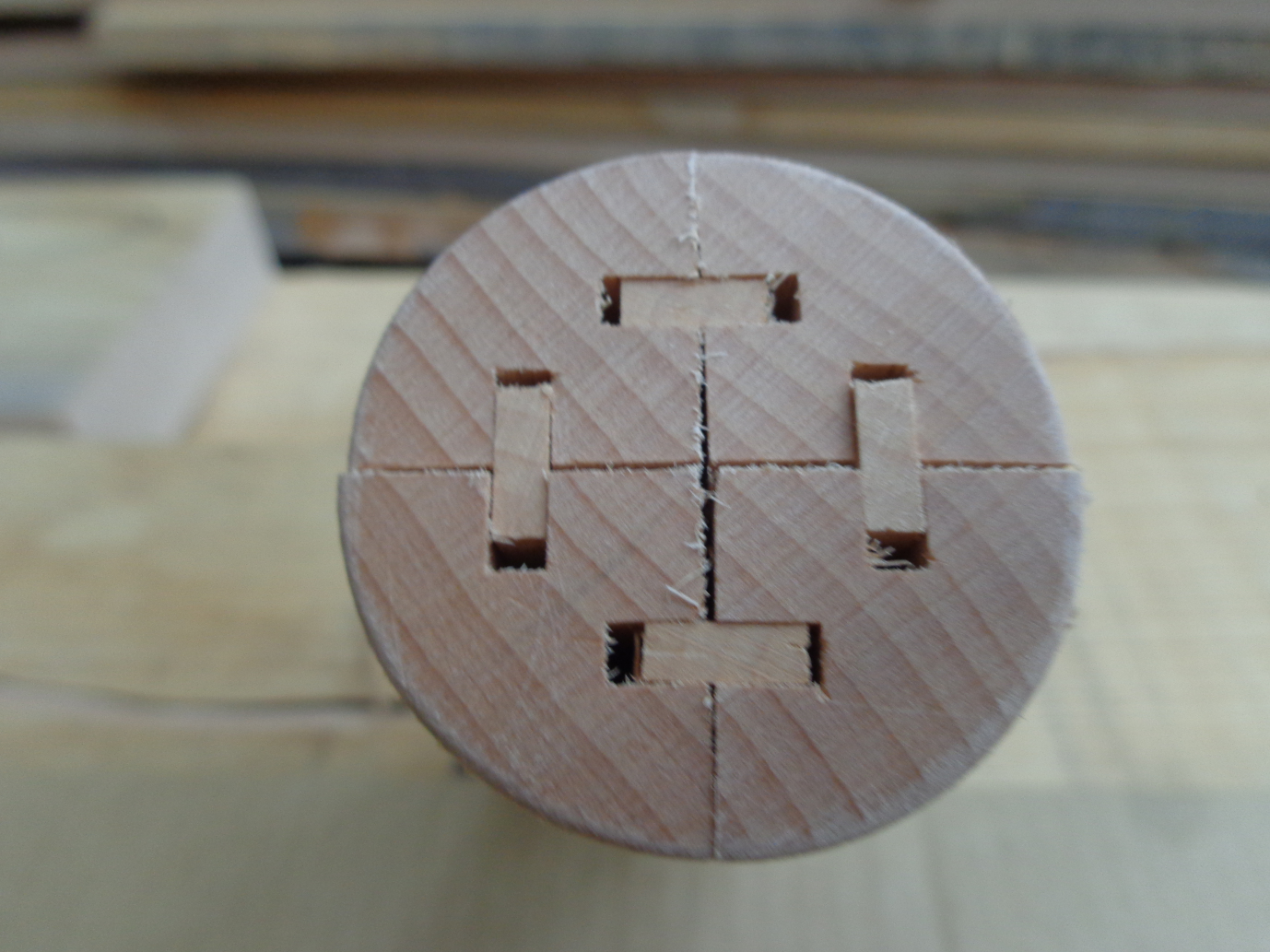
To bend the handrail in 3D, the profile is split vertically and horizontally into 4 equal parts,
and each part is fitted with a groove and a Bendywood® tongue so that the parts can slide
along the guide during bending.
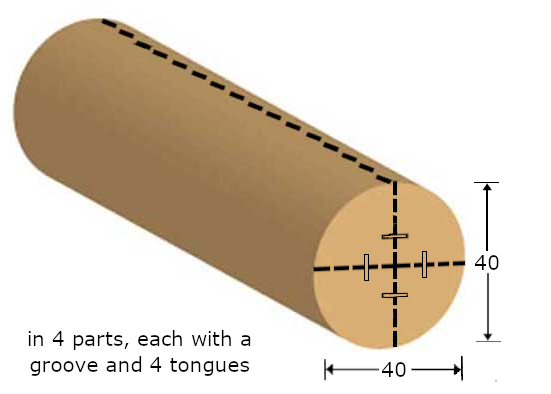
This makes it possible not only to bend a Ø 40 Bendywood® handrail in 3D, but also
to bend it even tighter, down to a radius of 200 mm, i.e. up to a ratio of 1:5!
90° bends and kinks at landing transitions can thus be bent even tighter.
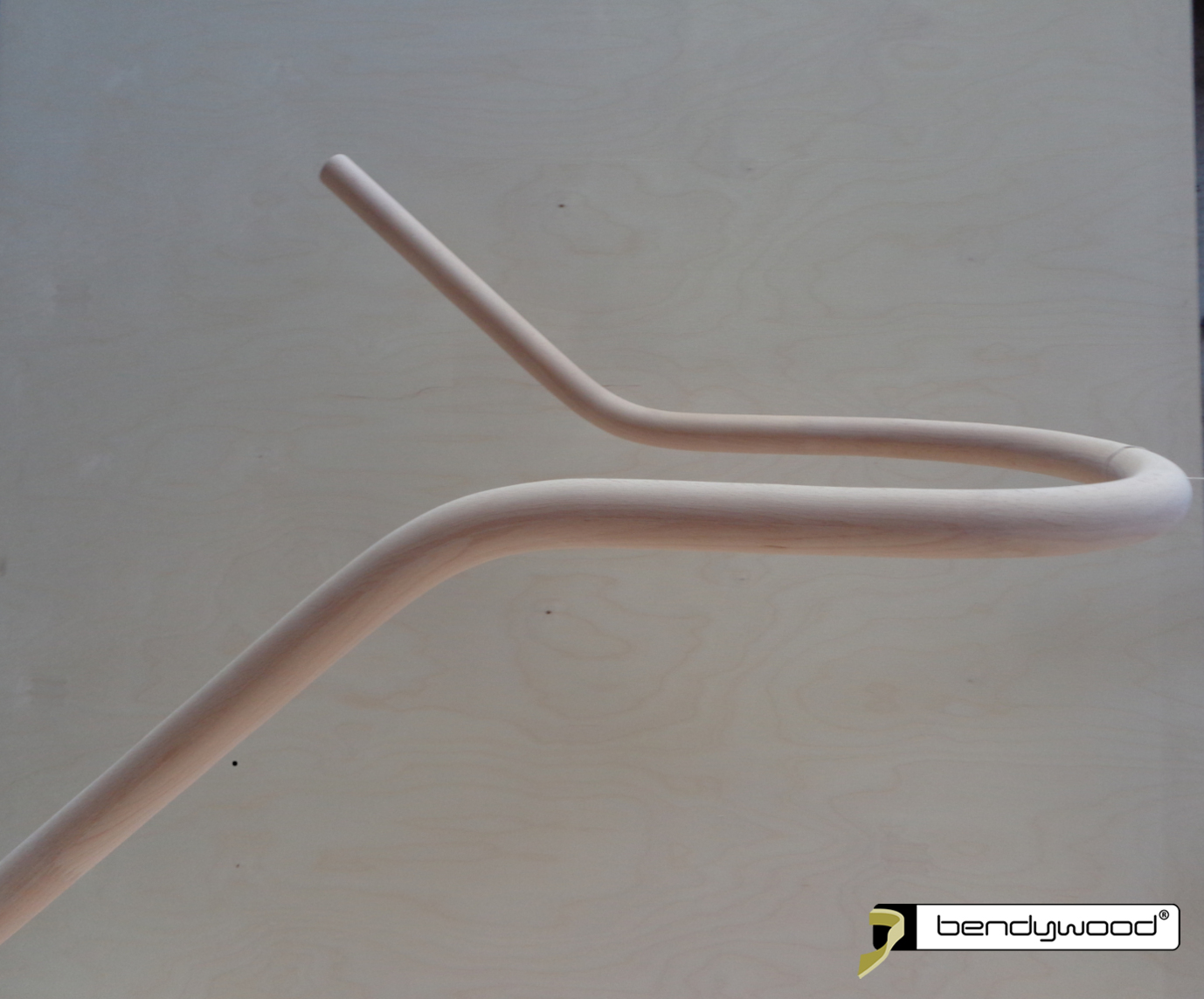
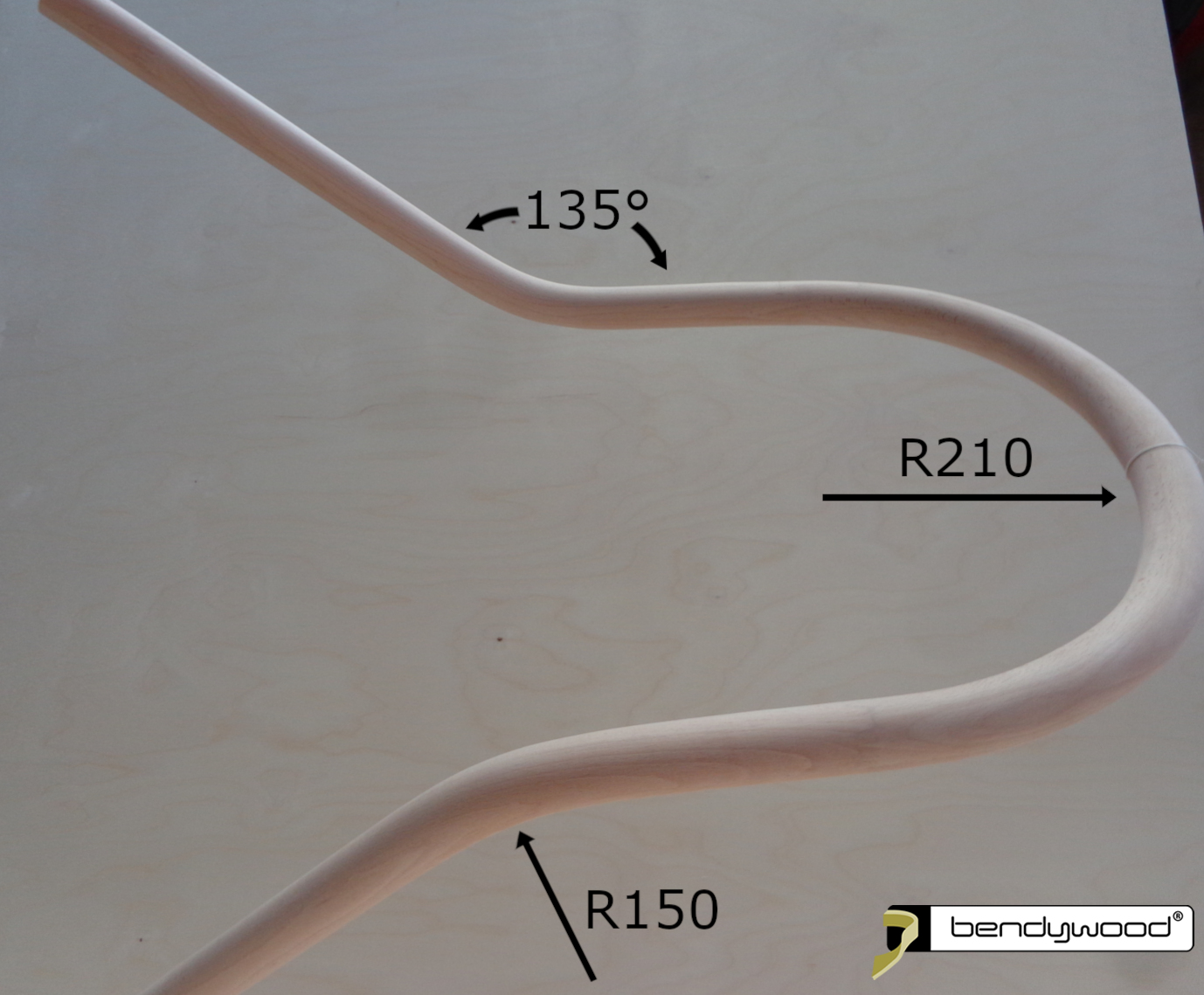
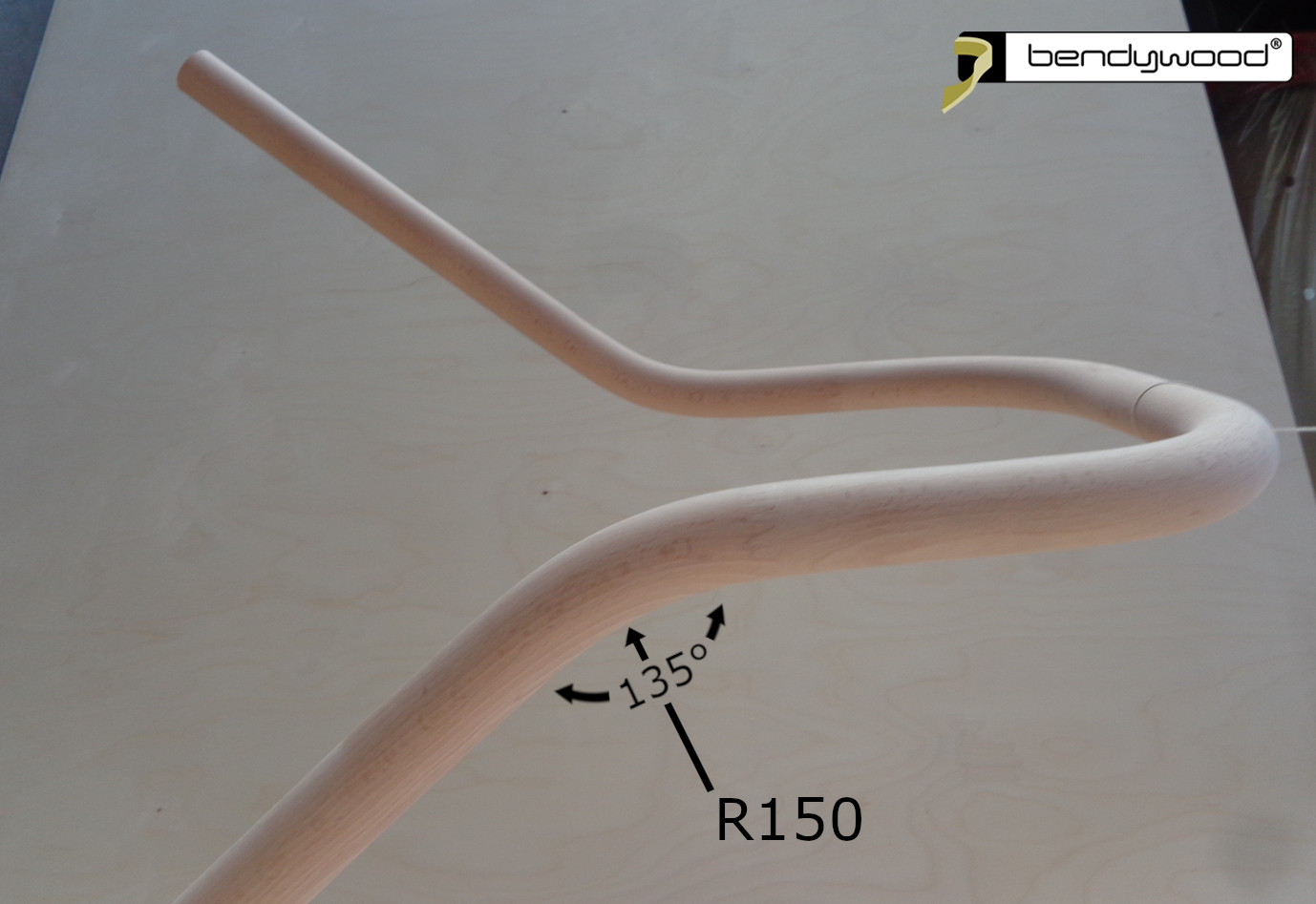
Examples of bent Ø 40 mm handrails in 4 sections:
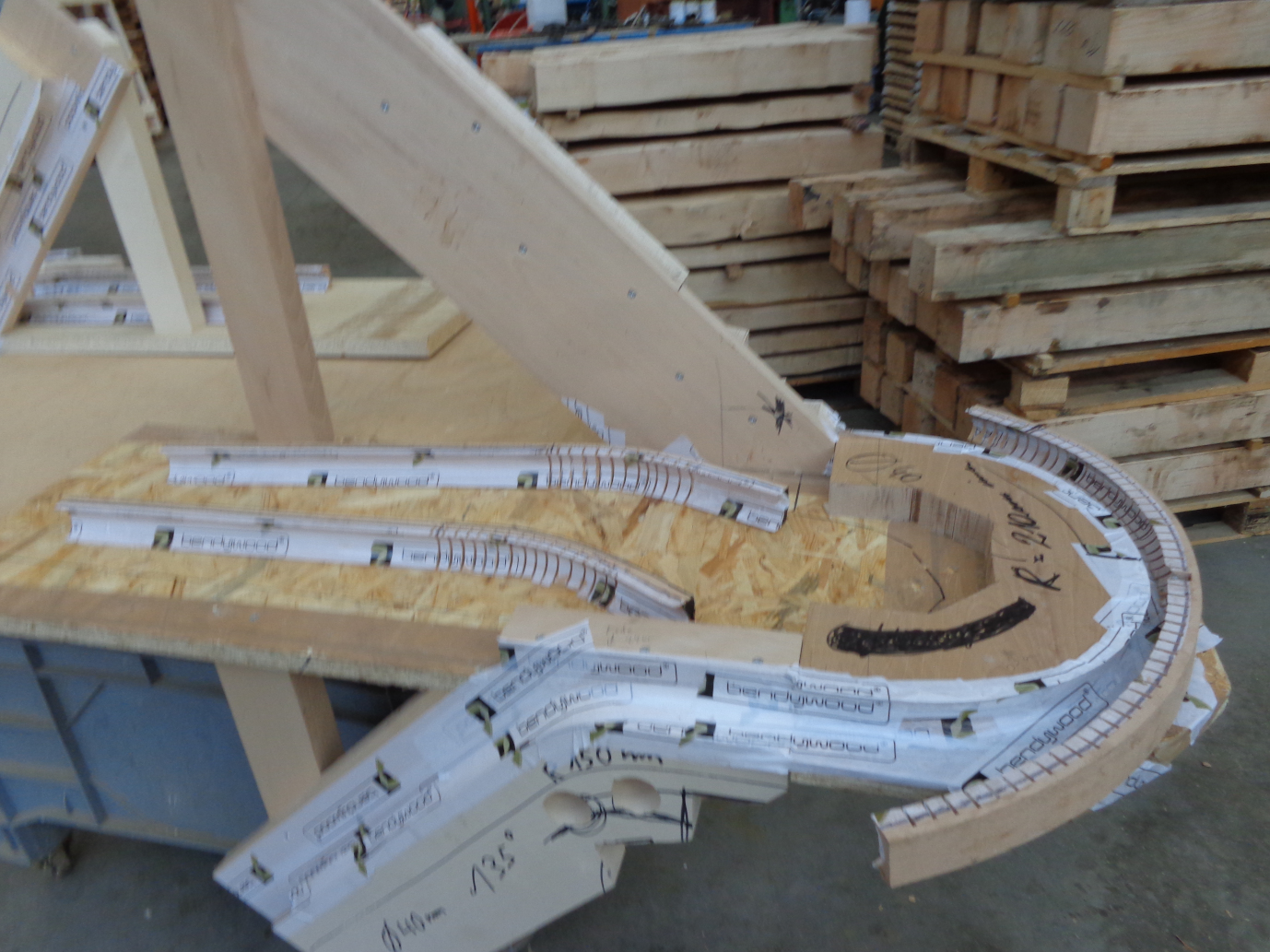
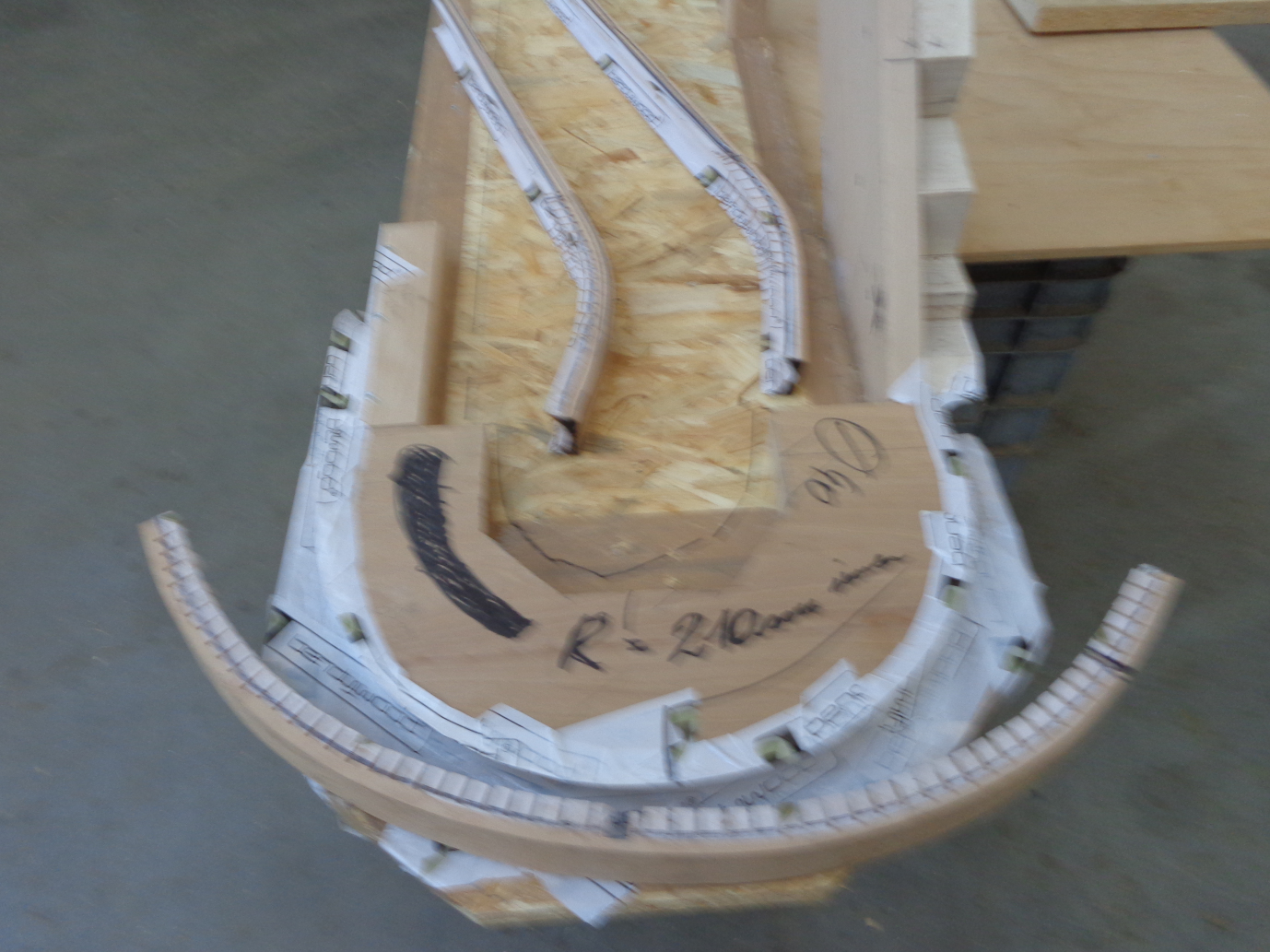
1. with a flat R210 mm semi-circular bend at the landing
and with straight sections on both sides curving upwards and downwards with an R150 mm radius
all 3D-bent from a single piece!
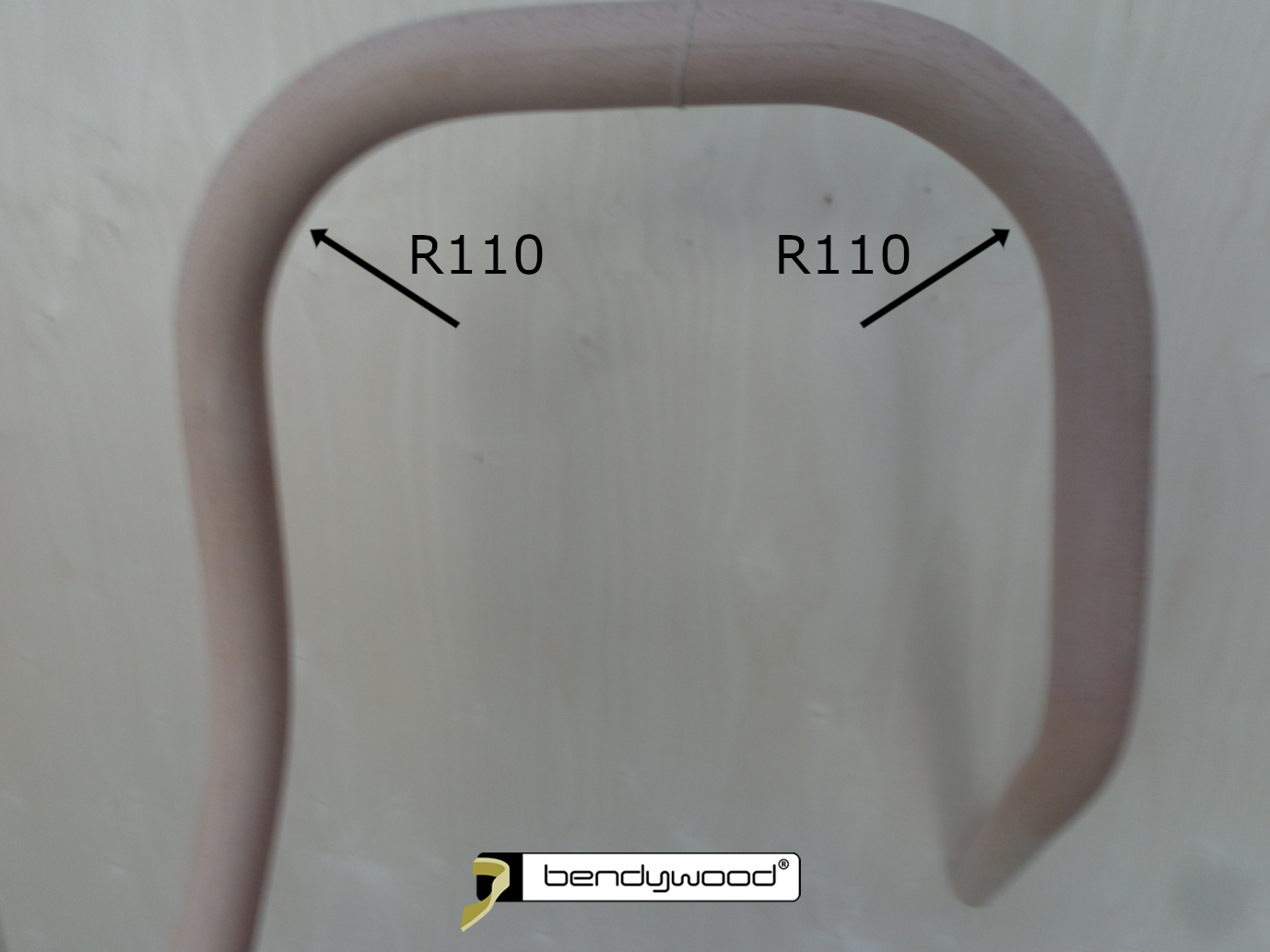
2. similar to above, but with 2 flat R110 mm 90° bends at the landing
all 3D-bent from a single piece!
3. How are these split Bendywood round rods manufactured?
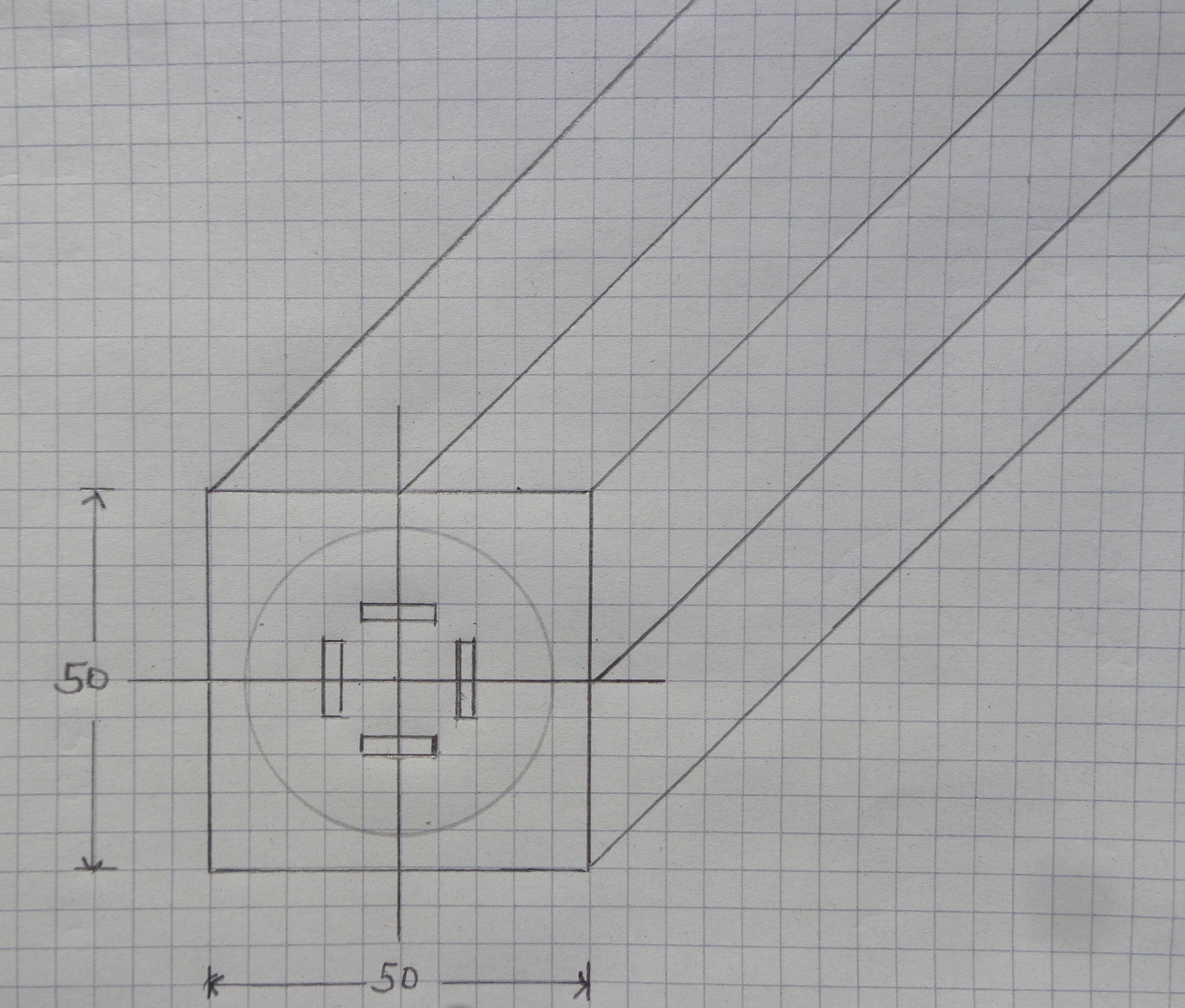
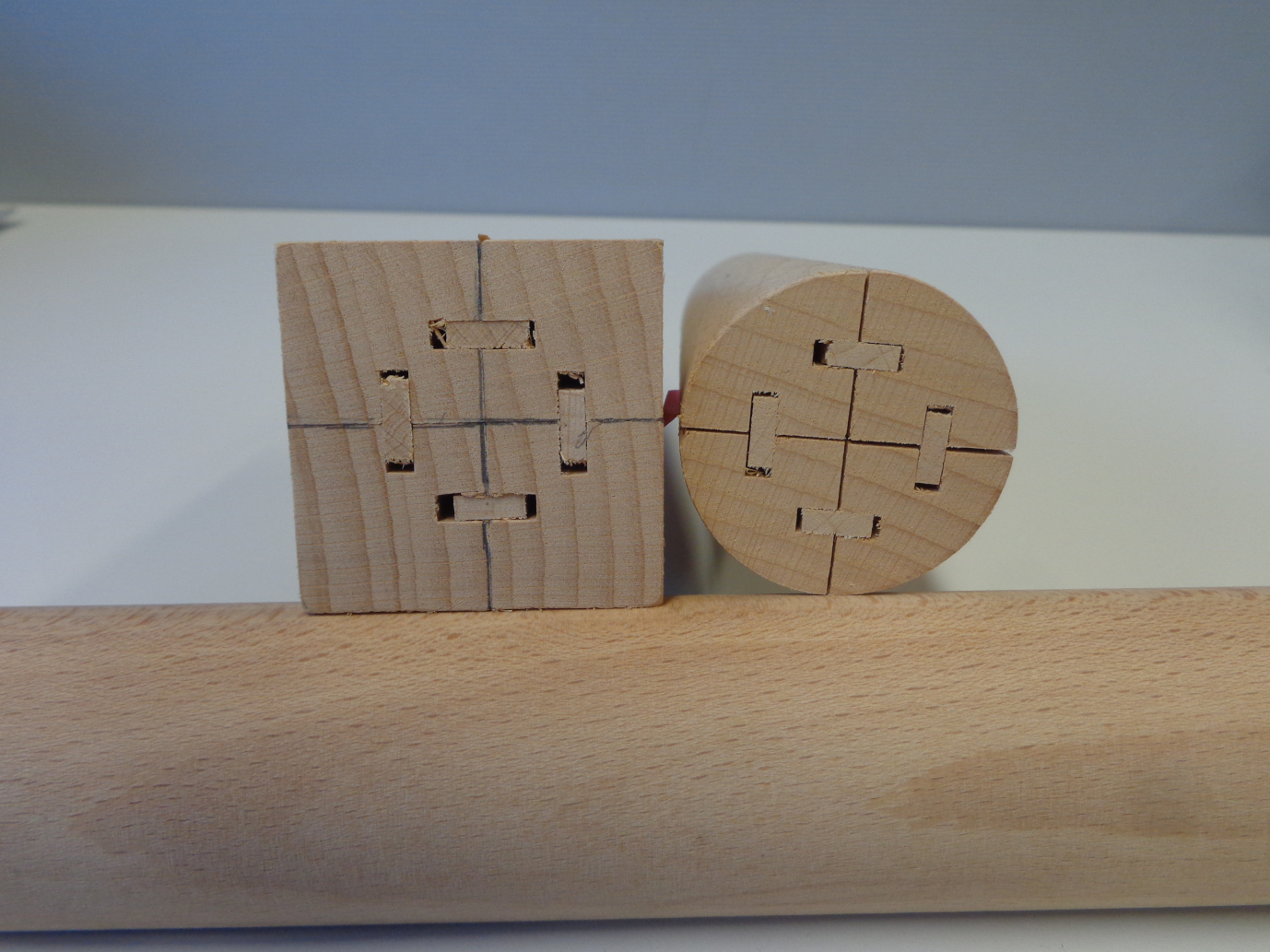
A Bendywood® strip 50x50 mm is divided into 4 equal parts down the centre,
each part is grooved on 2 sides and reassembled using 4 Bendywood® tongues.
Round profiles are then milled from these.
As the glue was applied only to the surfaces, this results in round profiles
in 4 parts, which can be bent and glued into shape at a ratio of up to 1:5.
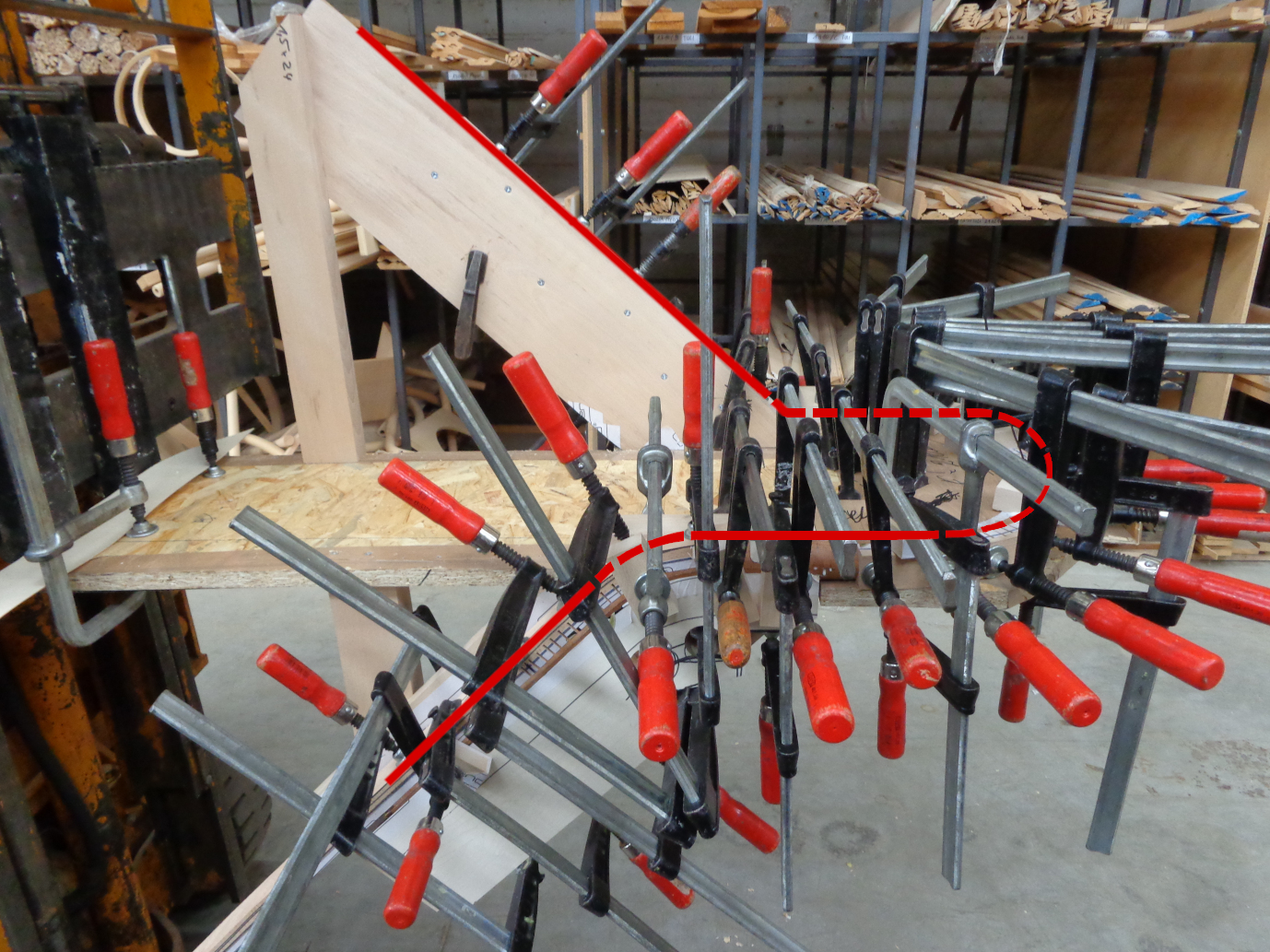
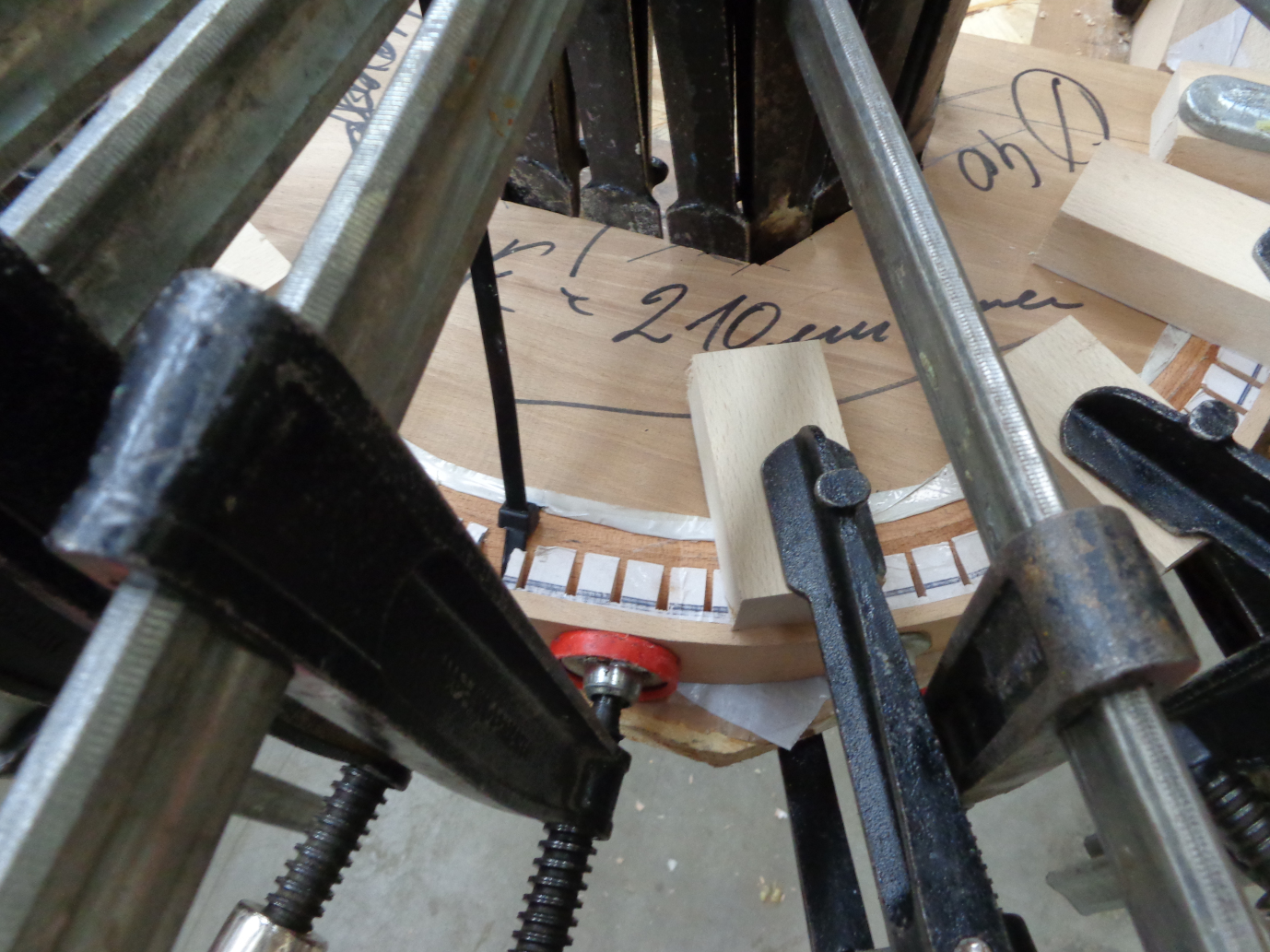
4. What do the templates used for bending look like?
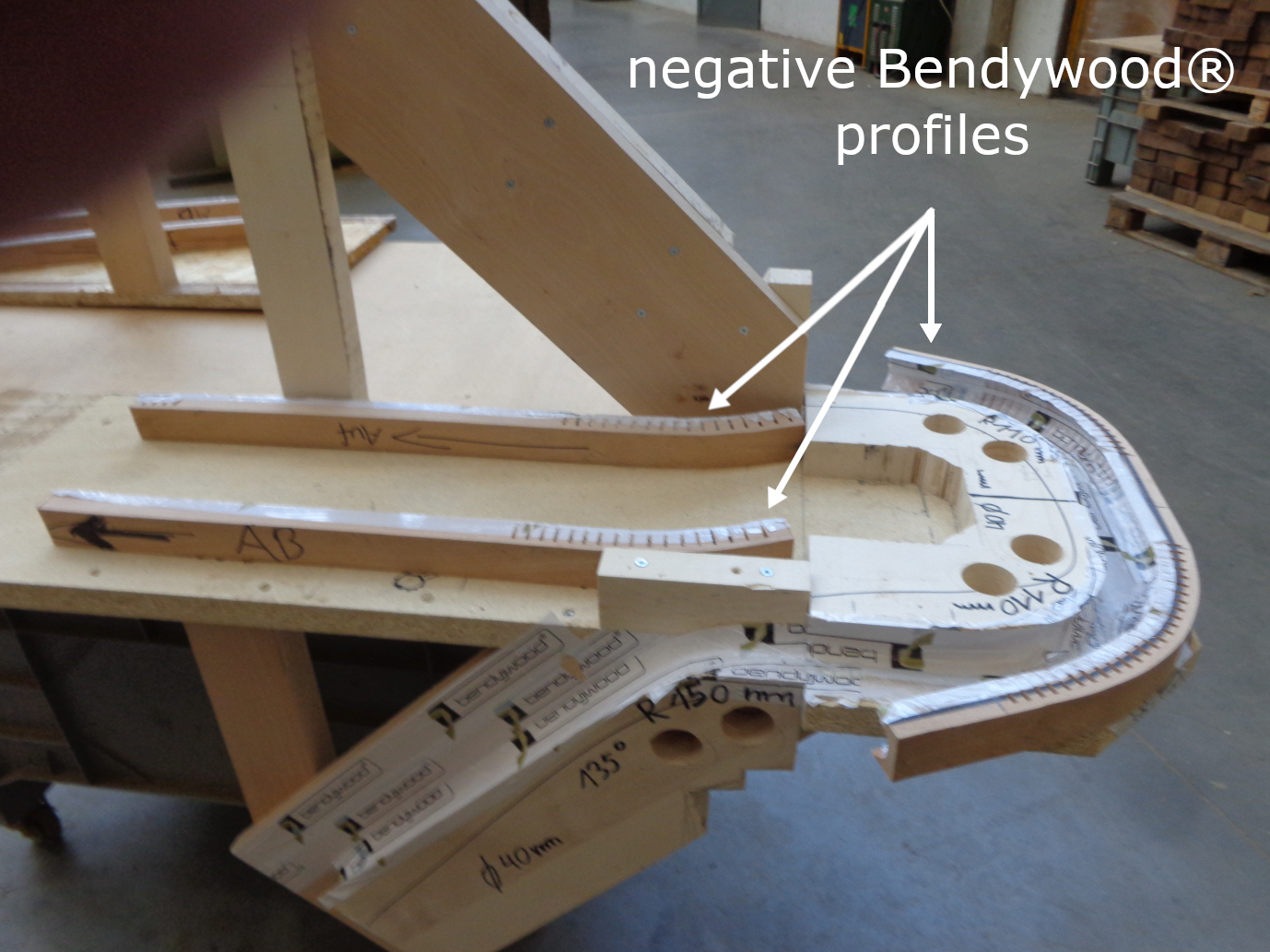
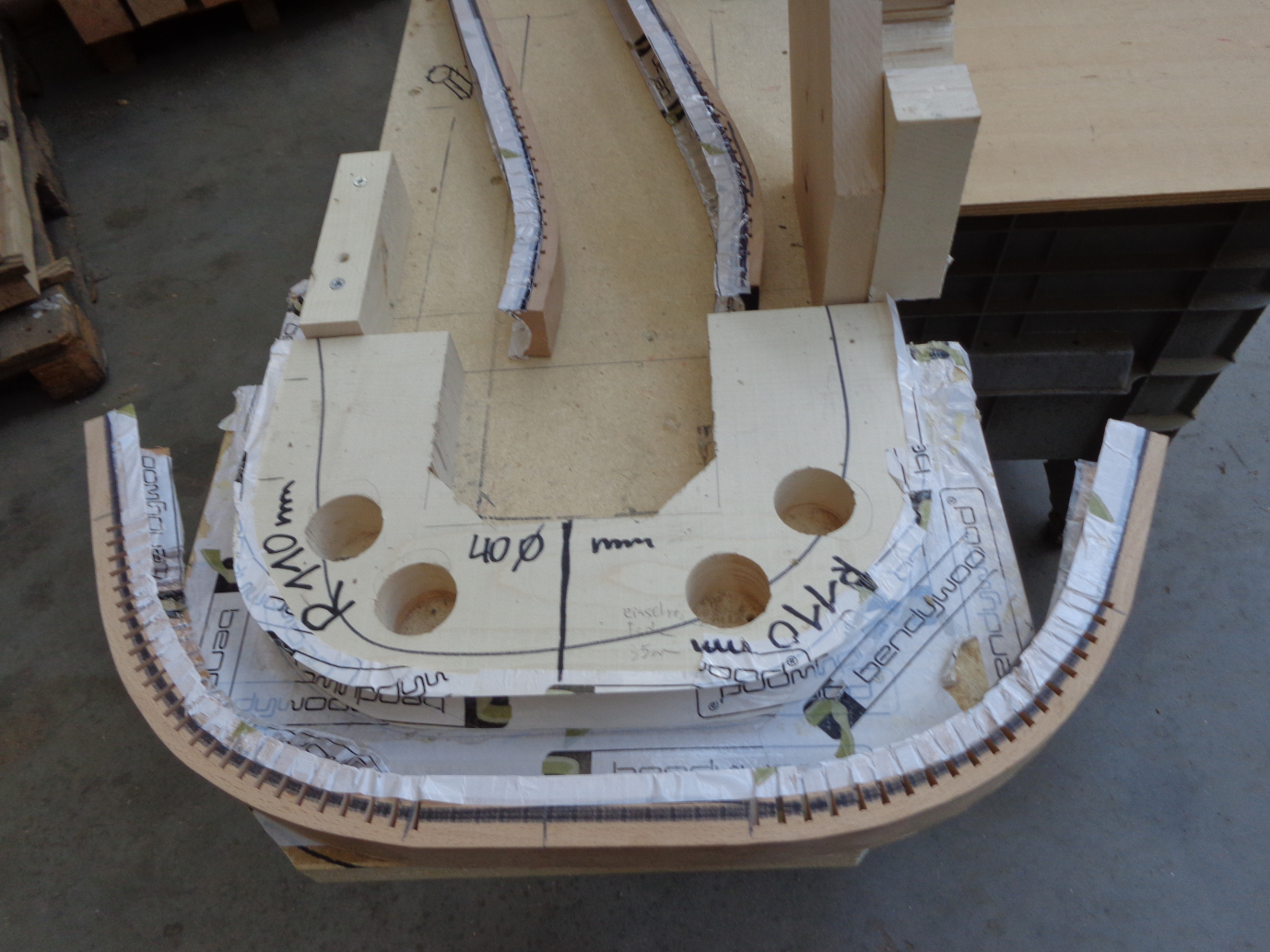
5. What is the best way to join these curves to the straight sections?
The joints between these curves and the handrails must be made using
long diagonal cuts or with strong, long dowels to prevent them from coming apart,
as Bendywood® shrinks in length.
To find out how to do this, see ‘JOINING STRAIGHT HANDRAIL SECTIONS’
at the following link: Handrail mounting